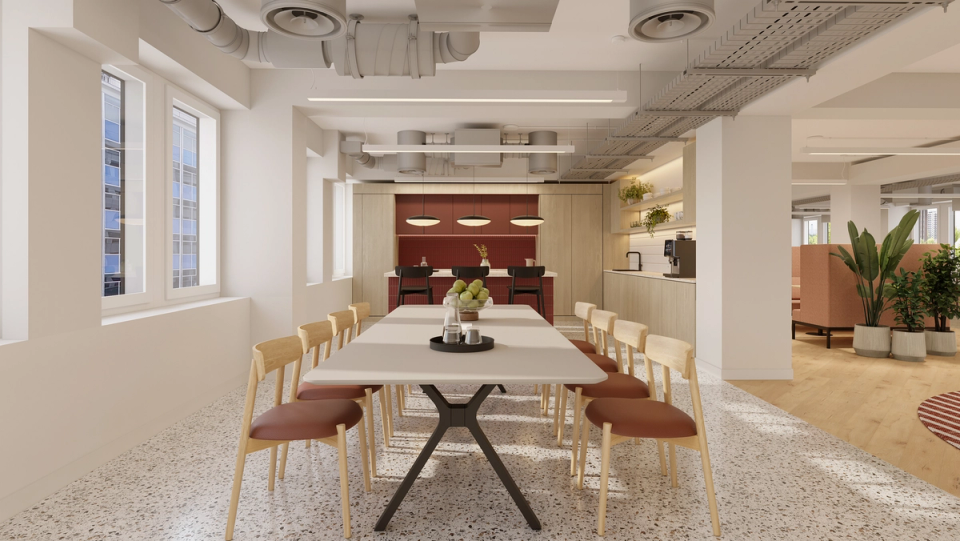
The proposals will replace a series of end-of-life buildings with a high-quality, design-led development comprising best-in-class Grade A office space alongside a curated mix of retail, food and beverage and hospitality uses at basement and ground floor.
31-37 Duke Street
Type
Mixed use development (retail and office space)
Size
44,000 sq ft (4,100 sq m)
Status
Planning Application submitted
Architects
Stiff + Trevillion
Project Manager
Jackson Coles
Structural Engineer
Heyne Tillett Steel
Quantity Surveyor
Exigere
Planning, heritage and townscape consultant
Montagu Evans
Mechanical and Electrical Engineer
Harley Haddow
Pre-redevelopment and circularity consultant
Material Index
Type
Mixed use development (retail and office space)
Size
44,000 sq ft (4,100 sq m)
Status
Planning Application submitted
Architects
Stiff + Trevillion
Project Manager
Jackson Coles
Structural Engineer
Heyne Tillett Steel
Quantity Surveyor
Exigere
Planning, heritage and townscape consultant
Montagu Evans
Mechanical and Electrical Engineer
Harley Haddow
Pre-redevelopment and circularity consultant
Material Index
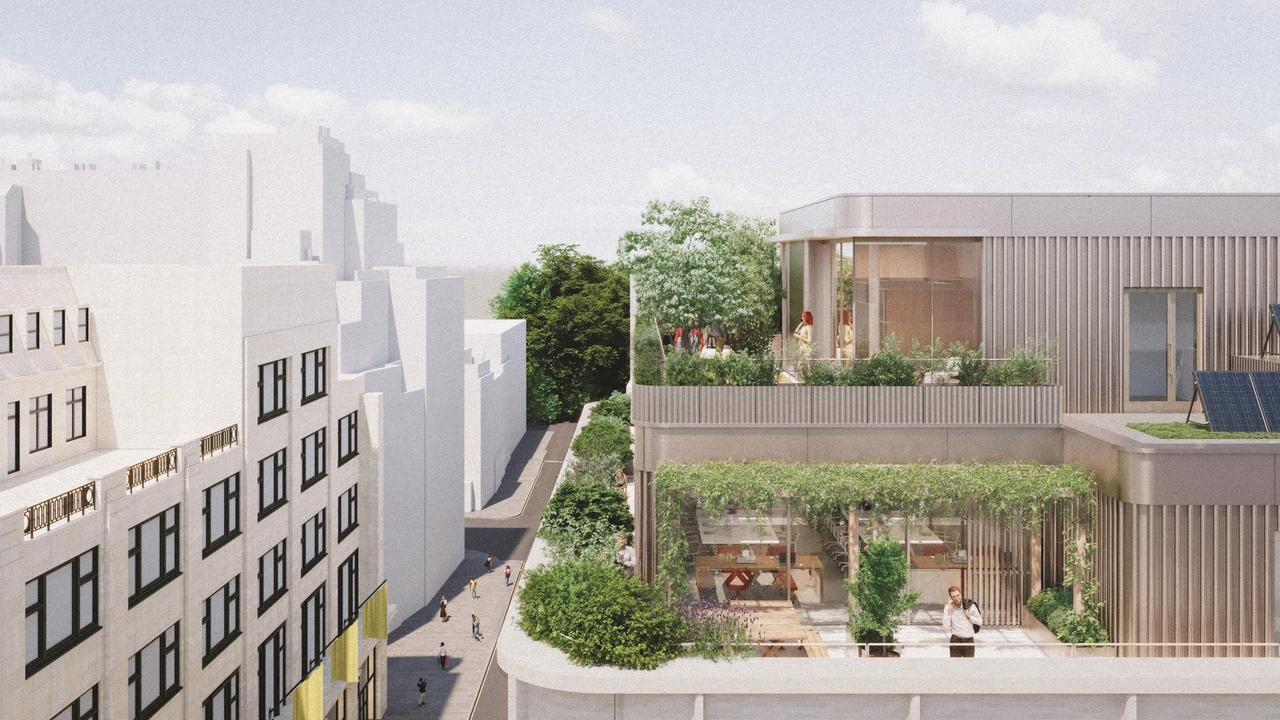
We have submitted a planning application to Westminster City Council for a landmark new building at 31–37 Duke Street in London’s West End.

The existing structure on the site is no longer fit for purpose, with poor accessibility, fragmented layouts, substandard fire safety, and poor energy-performance. The plan will create new and sustainable workspaces through low-carbon methods including extensive material reuse and zero-waste façade fabrication.


The proposals will introduce a carefully curated mix of retail, food & beverage and hospitality at basement and ground floor, bringing new life to the area for residents, workers and visitors. These spaces will create activity throughout the day and into the evening, making the neighbourhood feel more vibrant and welcoming.
The scheme will activate all three street frontages on Duke Street, Barrett Street and Picton Place, and deliver new public realm with landscaping and planting at the Duke Street and Barrett Street junction.

Key sustainability proposals include:
- Provide opportunities for urban greening and biodiversity gains
- Low carbon construction methods and re-used materials
- Zero waste façade fabrication to minimize embodied carbon
- Smart building systems to constantly monitor performance to optimize energy use
- High-efficiency services, heat-recovery ventilation, blue-roof rainwater management and rooftop photovoltaics to reduce operational demand
- Solar shading and façade detailing to limit heat gain and improve thermal comfort
- Targeting an EPC 'A' rating, BREEAM 'Outstanding', Nabers 5* and carbon emissions below regulatory requirements
Related Press & Publications
Next Case Study 103 Wigmore Street Fitout